Graywater Laws and Regulations: How to Find Local Rules
How to find graywater laws in your area
Graywater laws and incentives are all over the map. You’ll need to do some searching to find out approved uses for graywater where you are. Start with “graywater regulations in my area”.
The least intrusive way to use graywater is to carry buckets from the shower out to the garden. A step up is to run a hose out the window from a full bathtub and use a simple hand siphon pump to start the flow.
The water hasn’t even gone down the drain yet, so technically it’s still just bathwater. (It’s still important to prevent it from pooling outside where it can come into contact with people or animals. See our Build page for more.)
Do I need a permit for laundry to landscape graywater?
The next step up the stairway of complexity and legality is Laundry to Landscape. In many places, you can do this work without a permit, provided you follow best practices:
If required, notify the appropriate governing agency of your plans.
Include the ability to direct water back to the sewer – i.e. a three-way diverter valve.
Don’t connect it to the potable water system.
Don’t include a pump besides the one inside the clothes washer.
Don’t affect any other plumbing, electrical, mechanical, or structural elements of the building.
Keep the distributed water within the boundaries of the property that generates it.
Distribute and contain the water within a disposal field.
Don’t allow pooling or any runoff.
Cover the outlets with at least 2 inches of cover material.
Prevent contact with the outflow water from people and pets.
Send wash water from diapers, infectious clothing, oily shop rags, and any other chemical-containing rags and towels to the sewer.
Post a simple but clear instruction and maintenance manual.
Notify any new owner or occupant about the system.
Usually, the lack of a need for a permit only applies to one- and two-unit residences. An apartment building would likely require a permit, because quite a bit more graywater would be generated.
Graywater Rebate
You might try searching “laundry to landscape graywater rebate” because many forward-thinking places actually offer incentives for this work, whether you do it yourself or hire someone else.
But here’s an important note: You may be required to submit a plan before you do any work in order to qualify. This is different from the “Yeah! Go ahead!” approach outlined above.
So whereas you don’t necessarily need to check with the authorities for a permit, you might have to check with them if you want to get any money from them.
Graywater Guidelines
An organization called IAPMO, the International Association of Plumbing and Mechanical Officials, comes up with safety standards for plumbing and mechanical products and systems. Governments at all levels can follow, modify, or ignore these standards. Their recommendations for graywater plumbing are quite good, but not everyone has clued in yet.
Note that these standards are only for construction and installation – they don’t mention the importance of using biocompatible soaps, detergents and other products. See our Soaps page for guidance on this crucial element.
EPA News
As long as the United States leadership respects the existence of the Environmental Protection Agency, the online tool Regulations and End-Use Specifications Explorer (REUSExplorer) may be a useful aid in tracking down your local graywater regulations (you can also use it to look up rainwater laws). Depending on the difficulty of the state you’re interested in, it can be a very good resource.
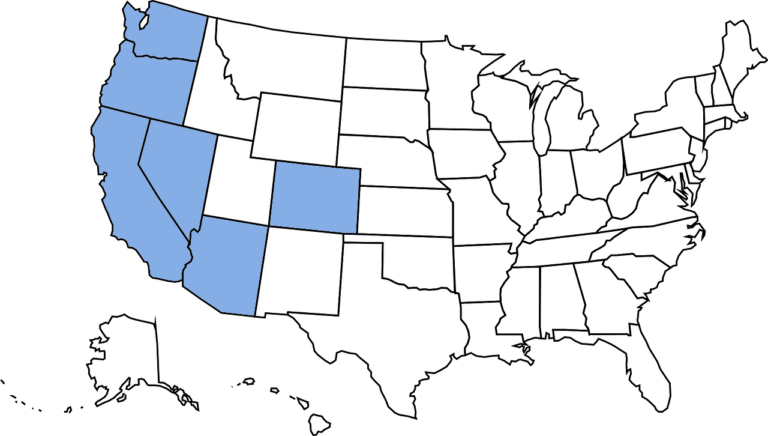
A summary of current greywater regulations in Colorado, Arizona, Washington State, Oregon, Nevada, and California, with links to sources for further study.