
A great way to get started in graywater reuse is to build your own Laundry to Landscape system (L2L for short). In more and more places, L2L is gaining recognition as a permit-free option, since there’s no need to change the existing plumbing. (See our Legal page for guidance on tracking down graywater regulations in your area.)
This video shows a quick but clear overview of the process:
Hardware specs
There are two common kinds of PVC pipe: Schedule 40 and Schedule 80. Usually, Schedule 40 is white, and can handle less pressure than the normally gray-colored Schedule 80. The kind of pressure that calls for Schedule 80 is nothing you’ll run into here.
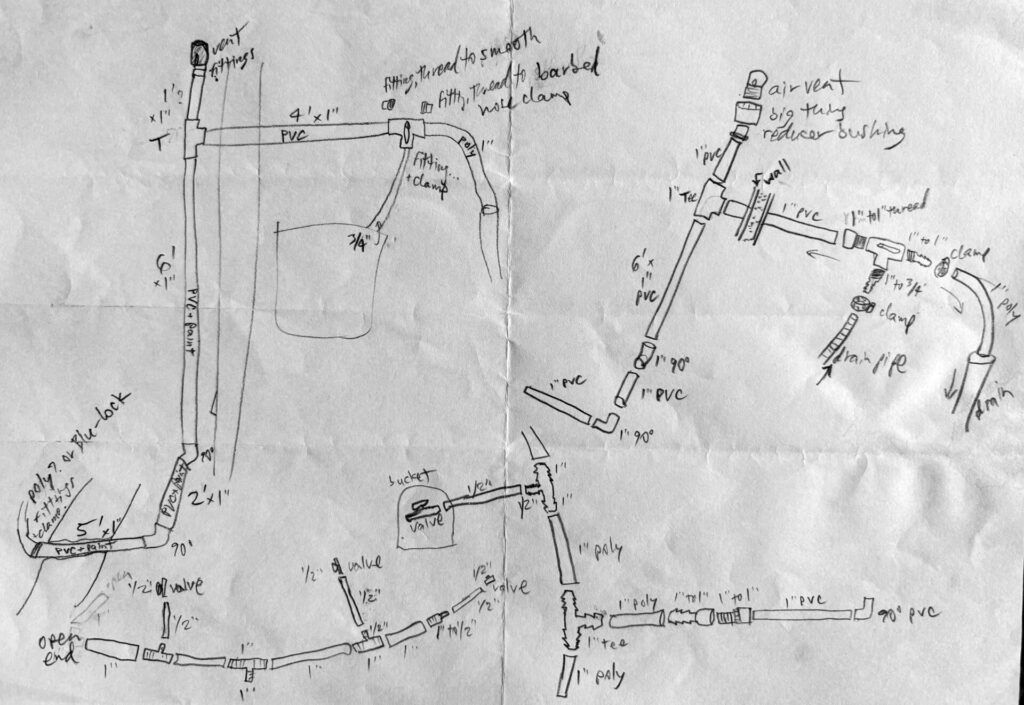
The brass 3-way valve in this case is a 1-inch full-port valve. It has PVC adapters to 1-inch Schedule 40 PVC pipe. The pipe is commonly available at your local hardware store. The adapters may be there as well, but not necessarily. The brass valve most likely won’t be.
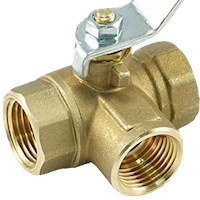
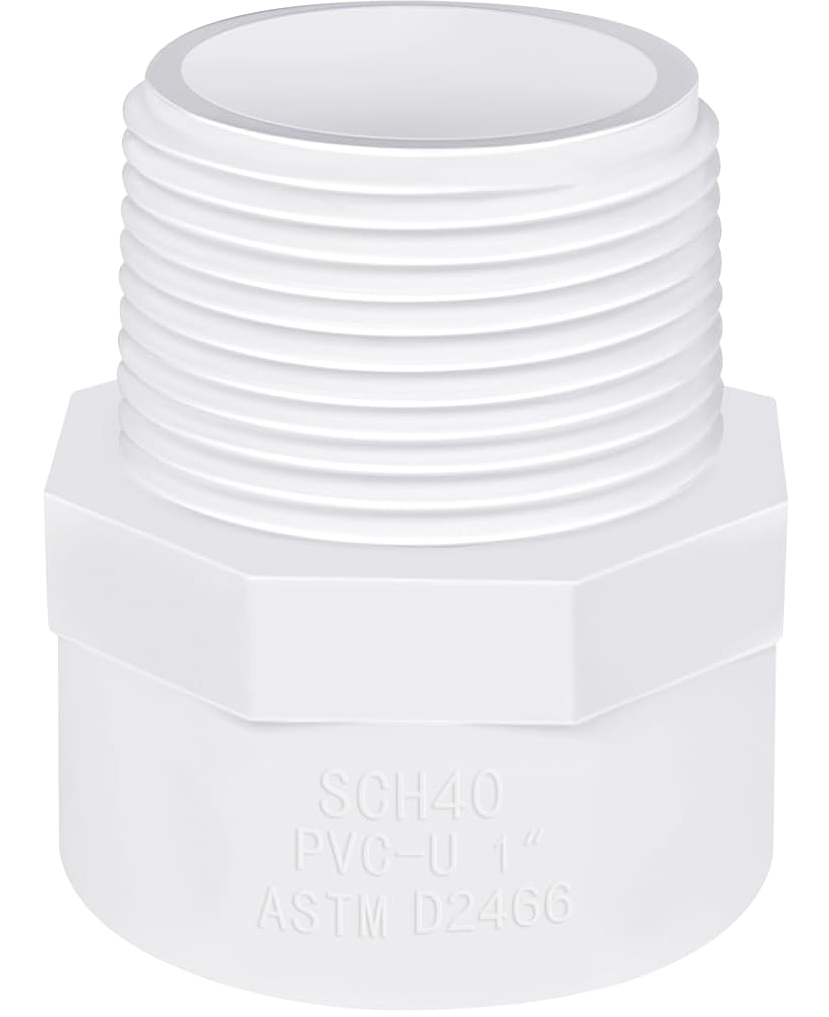
1-inch pipe is large enough that it won’t cause undue strain on the washer’s pump motor.
The adapter for the washing machine outflow tube in this case happens to be Schedule 80, because that’s what was available. As more people get into Laundry to Landscape, it should become easier to find the exact parts you need. In the meantime, we do with what we have.
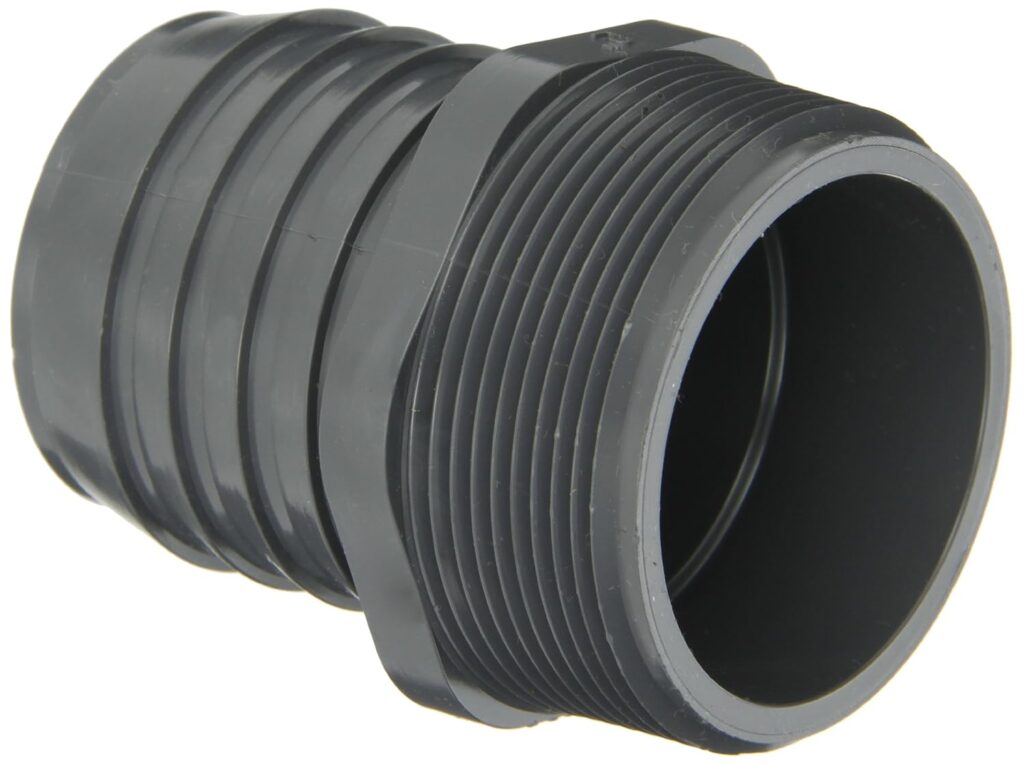
Also, this outflow adapter was 1 inch on the threaded end, and 3/4 inch on the barbed end, because that’s how big the outflow tube was.
A strap-type pipe clamp keeps the connection secure.
The valve mechanism is then mounted to a board on the wall so it won’t move when turning the handle.
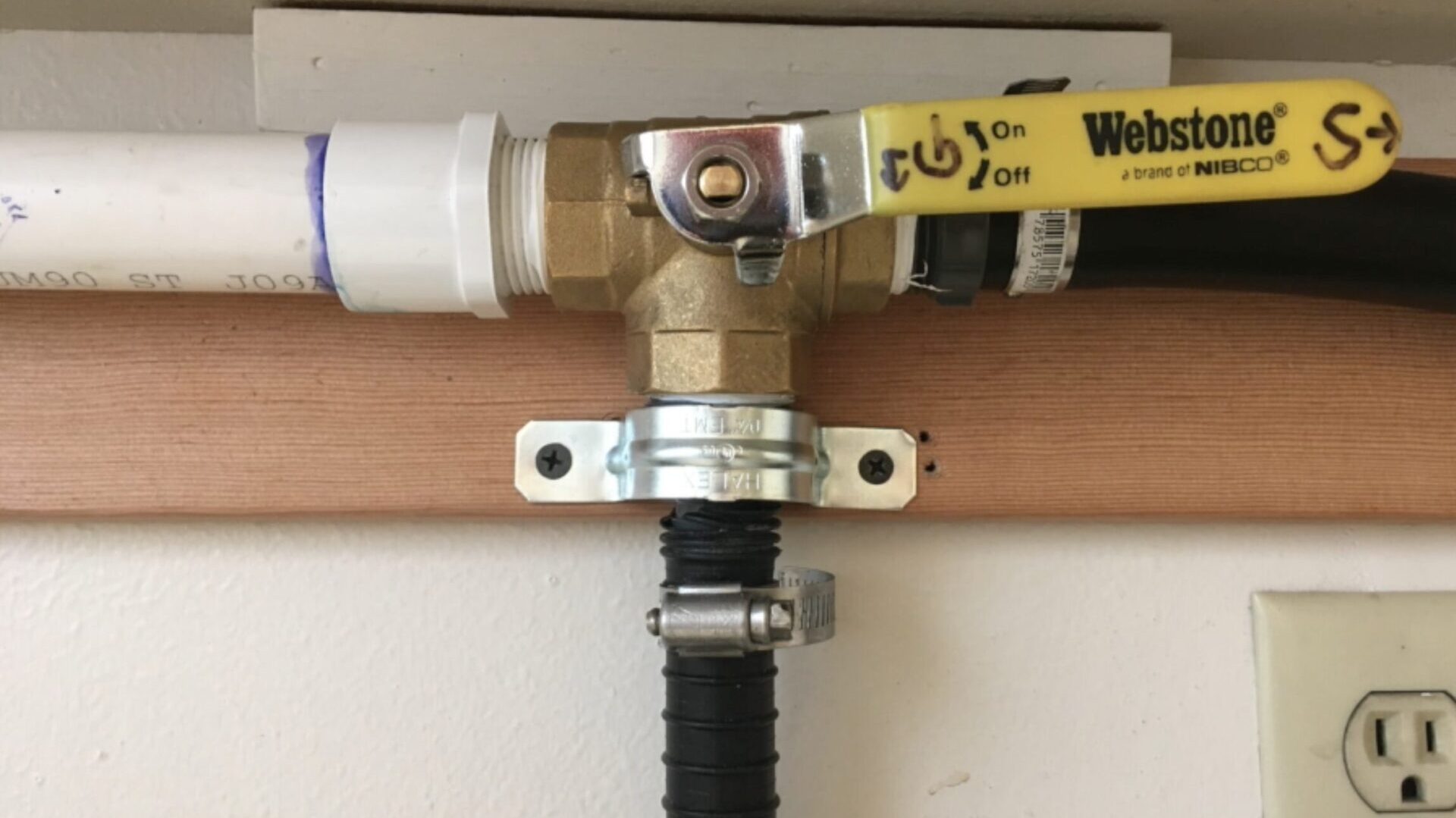
One side of the valve connects to the previously existing drain tube to the sewer. The other connects to the 1-inch PVC pipe heading out through the wall.
Click this image of the first set of parts diagrams to enlarge it for study:
Use the right tool for the job
The hole saw shown in the video where it says “So worn down” was not the kind that should have been used. You can see that the exterior wall is stucco, which is a relative of concrete. For the interior plaster wall, that hole saw works well. But the stucco wall outside calls for something with carbide grit:
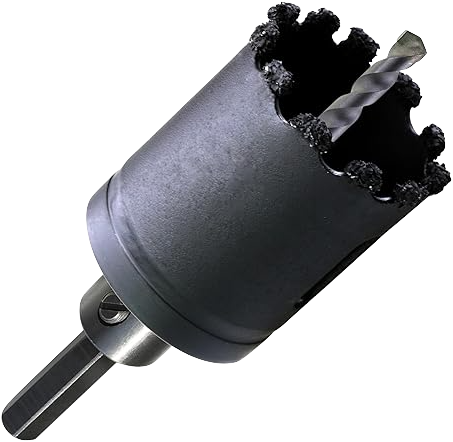
Make sure you’re not cutting through structural wall studs or electric wiring. Use a stud finder, and drill a smaller pilot hole first to see what’s there.
To cut PVC you could use a hacksaw, but it makes a lot of microplastic dust. Better to use a dedicated PVC pipe cutter.
Outdoor pipes & fittings
Always paint PVC pipe that’s exposed to the sun. PVC becomes brittle under UV radiation, and breaks down into carcinogenic compounds.
After a few 90 degree turns, the 1 inch pipe in the video crosses the pathway. There it switches to 1 inch HDPE tubing by way of a socket to barbed adapter. HDPE Poly tubing is more flexible, and a better environmental alternative to PVC, but it might also be harder to come by.
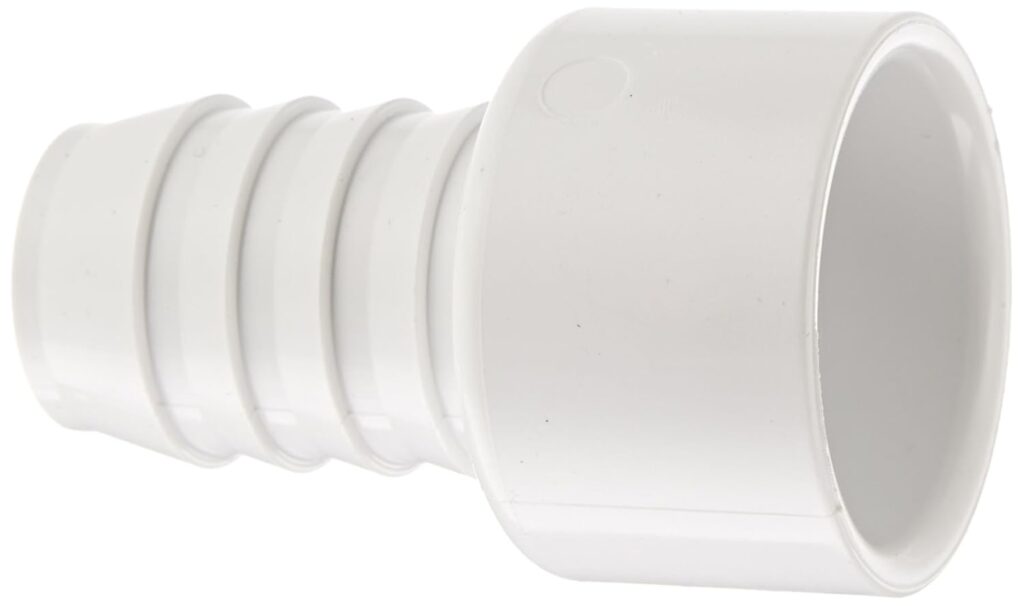
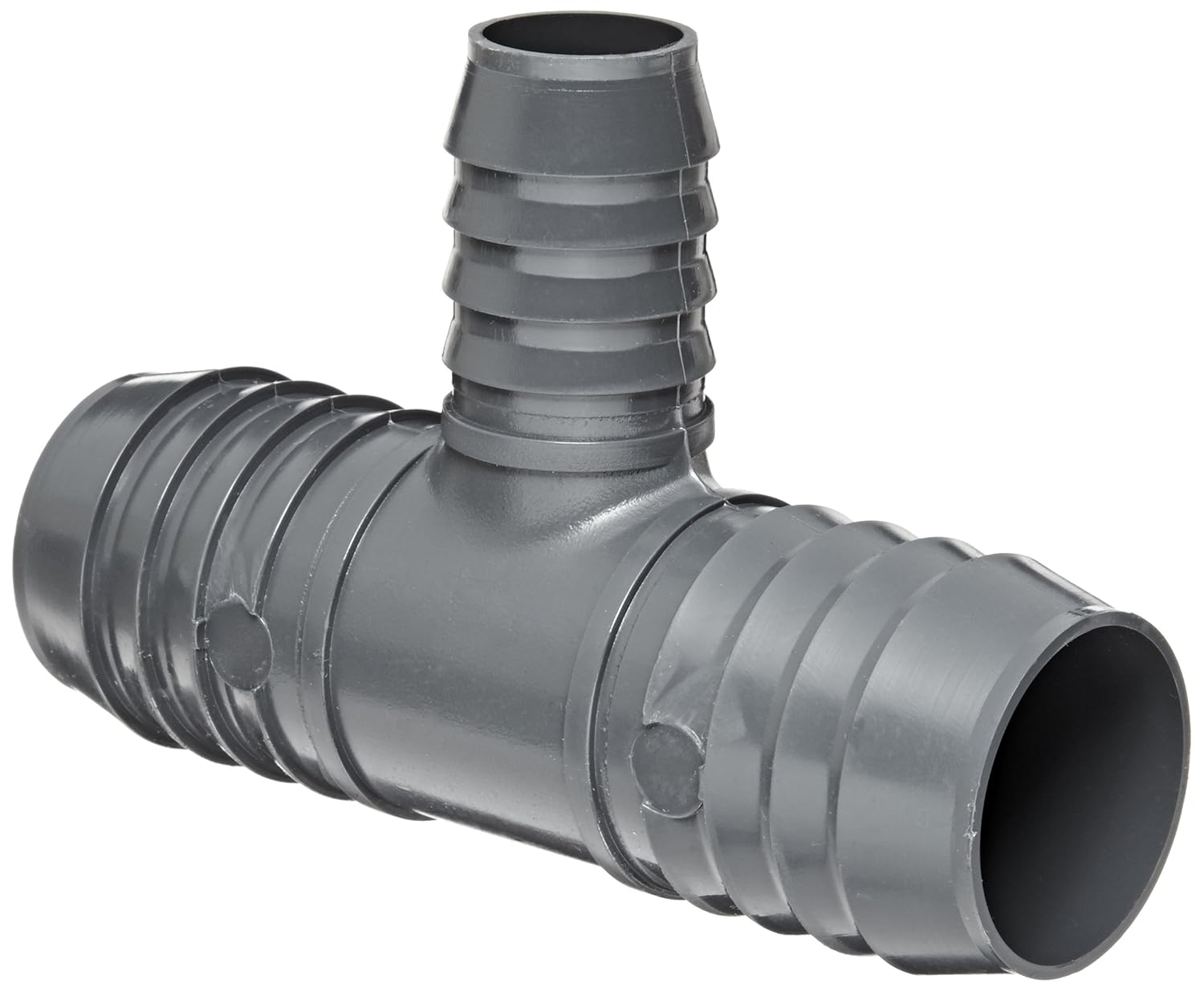
The 1 inch poly tubing branches to 1/2 inch tubing via barbed tee fittings. The smaller tubes flow into mulch basins. The ends are capped with 1/2 inch ball valves so each outlet can be fine-tuned to balance distribution. The ball valves are inside mulch shields, in this case made from old plastic pots turned upside down with a hole cut in the former bottom.
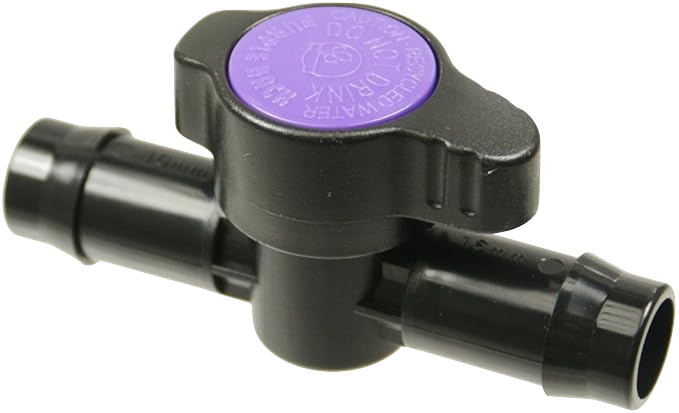
Purple is plumbing code for reclaimed water, and so optimally, the ball valves in the mulch shields would have purple discs on top. The pipe itself would also be purple, or at least have a purple stripe. These things are harder to come by than plain black.
At minimum, you can put Reclaimed Water warning stickers on the pipe. Check your local regulations for how far apart labels have to be applied.

Place a lid on each mulch shield, and fill the basins with wood chips, just like you see in the video. You can also see detail pictures of the mulch basins on our Build page.
The tube ends inside the shields should be a few inches above the wood chip layer, and there should be a few inches of wood chips below that as well. Check your local regulations for specific numbers. The point is to leave a sufficient air gap so roots won’t grow up into the pipes.
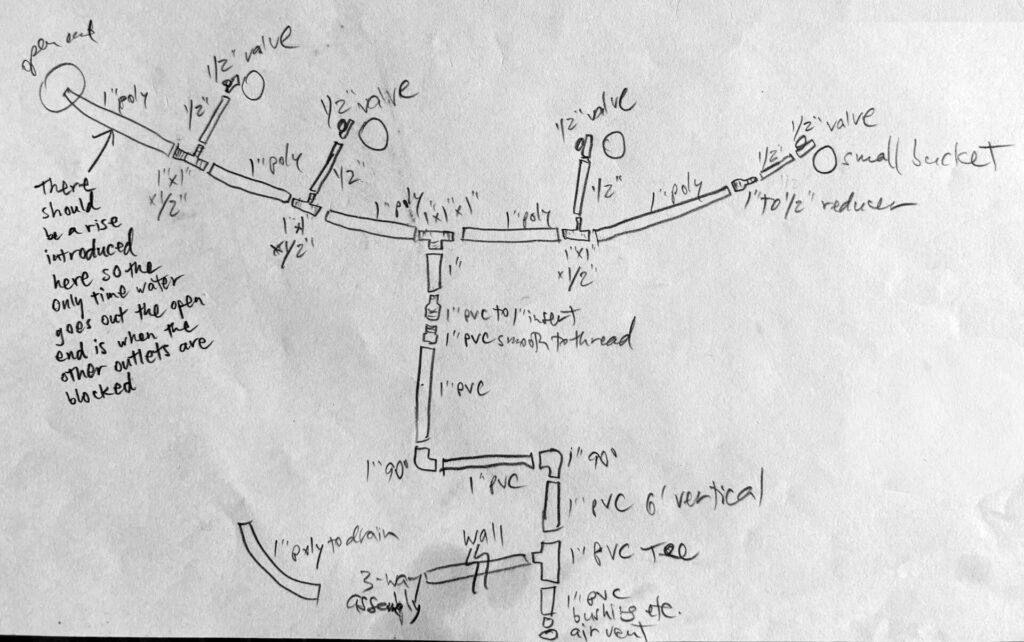
The last outlet at the far end of the line should not have a ball valve, but should be the full width of the distribution pipe. This is in case any of the smaller outlets get blocked, water can still drain out.
However, this full-width opening at the far end is not meant to have any flow in normal usage. It’s a fail-safe only. Introduce a hump or rise in the line just after the next to last outlet so the water has at least a little bit of a hurdle to get over. The video doesn’t show this part clearly enough.
Click this image of the second parts diagram to expand it:
Choose your detergent wisely
For the long term health of your soil microbiology, and thus for your plants, it’s essential to choose the right cleaning products for graywater use. Spend some quality time on our Soaps page for vital tips.
When you have to use something that you don’t want in your yard, like bleach or a common consumer laundry detergent, turn the valve to send the drain water to the sewage treatment plant.
When you’ve got the biocompatible good stuff, turn the handle to send it out to your living garden!